

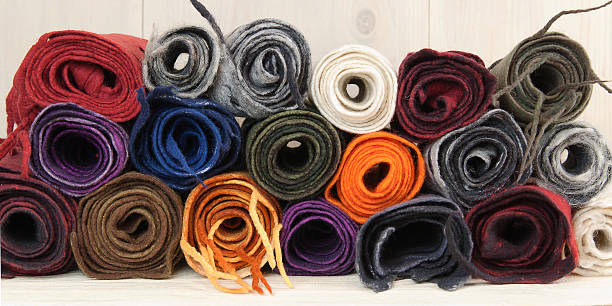
n recent years, Wollmatten have experienced a remarkable surge in popularity as more people prioritize natural living, healthier indoor environments, and durable home furnishings. From modern apartments to wellness studios and eco-friendly workspaces, Wollmatten have become a preferred choice for anyone searching for comfort, sustainability, and long-term reliability. These wool mats are valued for their warmth, breathability, and natural resilience, making them one of the most versatile textile products on the market.
This guide explores everything you need to know about Wollmatten in 2025—how they’re made, why they’re unique, where they’re used, and what to consider before buying one.
Understanding Wollmatten: What Exactly Are They?
Wollmatten Defined
Wollmatten are mats crafted from natural wool fibers. They may be handwoven, needle-felted, tufted, or layered depending on their intended purpose. Unlike synthetic mats, Wollmatten preserve wool’s natural properties such as insulation, elasticity, odor resistance, and moisture control.
Typical Applications of Wollmatten
-
Home flooring
-
Acoustic and thermal insulation
-
Yoga and meditation
-
Office soundproofing
-
Bed and furniture underlays
-
Industrial padding and filtration
-
Children’s play areas
Their adaptability makes them a long-lasting and multifunctional solution for both personal and commercial environments.
How Wollmatten Are Made: A Look Inside the Production Process
1. Wool Selection
Production starts with high-quality sheep wool, commonly sourced from regions known for strong, soft fibers. Climate, breed, and shearing practices influence the final texture and durability.
2. Cleaning and Carding
The wool is washed to remove lanolin and impurities, followed by carding—a combing process that aligns fibers to prepare them for weaving or felting.
3. Felting or Weaving
Wollmatten can be produced in two primary ways:
Felted Wollmatten
Fibers are compressed using heat, moisture, and pressure. This creates dense, durable mats excellent for insulation or structural support.
Woven Wollmatten
Fibers are interlaced on a loom to form soft, decorative, and flexible mats suitable for living rooms or bedrooms.
4. Finishing
The mats may undergo gentle brushing, edging, trimming, or stitching to improve longevity and aesthetics.
Why Choose Wollmatten? The Natural Advantages You Can’t Ignore
Wool has unique characteristics that remain unmatched by synthetic alternatives. When transformed into Wollmatten, these benefits become even more valuable.
Exceptional Thermal Comfort
Wool acts as a natural temperature regulator. A Wollmatte stays warm during cold months while allowing breathability in warmer seasons. This dual effect makes wool mats comfortable year-round.
High Durability and Shape Retention
Wool fibers can bend thousands of times without breaking. This elasticity helps Wollmatten maintain their shape even in high-traffic areas like hallways and offices.
Moisture Management
Wool absorbs moisture without feeling wet, making it ideal for flooring and meditation spaces. This feature prevents damp odors and maintains a dry, cozy environment.
Hypoallergenic and Safe for Sensitive Users
Wool naturally resists dust mites, mold, and bacteria, providing a healthier indoor environment—especially for people with sensitivities.
Eco-Friendly and Renewable
Unlike synthetic mats made from petroleum-based materials, Wollmatten are biodegradable, sustainable, and free from harmful chemicals. They support environmentally responsible living habits.
Types of Wollmatten You Can Buy in 2025
1. Classic Woven Wollmatten
These are soft, decorative mats that enhance the aesthetics of living rooms, bedrooms, and lounges.
Key Features
-
Smooth texture
-
Versatile patterns
-
Excellent underfoot comfort
-
Suitable for minimalist and modern interiors
2. Thick Felted Wollmatten
Created using compression techniques, felted wool mats are firm and durable.
Best For
-
Yoga practice
-
Meditation
-
Sound dampening
-
Insulating cold floors
Their density provides stability and long-lasting strength.
3. Wool Mats for Yoga & Meditation
Wellness communities strongly prefer wool due to its grounding nature.
Why They’re Popular
-
Naturally warm on cold surfaces
-
Comfortable for long sitting sessions
-
Organic, chemical-free material
-
Non-slip backings available
These Wollmatten align perfectly with spiritual and eco-conscious lifestyles.
4. Acoustic Wollmatten
Soundproofing has become essential in homes, offices, and studios. Wool mats absorb noise effectively.
Where to Use Them
-
Home theaters
-
Music rooms
-
Open-plan offices
-
Apartments with echo issues
The porous structure of wool helps reduce sound reflection and background noise.
5. Decorative Designer Wollmatten
Luxury brands now produce premium wool mats in contemporary patterns.
Advantages
-
Handcrafted detail
-
Unique designs
-
High-end interior appeal
-
Long-lasting quality
These Wollmatten add elegance and sophistication to any room.
Modern Uses of Wollmatten in Daily Life
Home Flooring and Comfort
People use Wollmatten to soften hard surfaces like marble, tile, or laminate. Their non-slip texture and thermal comfort make them perfect for family living areas.
Office and Workspace Applications
Open-plan offices often struggle with noise. Wool reduces echo and provides a more focused atmosphere. Placing Wollmatten under desks or in conference rooms enhances comfort and acoustics.
Wellness and Fitness
Wool mats are increasingly chosen for:
-
Breathwork sessions
-
Pilates
-
Stretching
-
Yoga
-
Meditation
They provide a natural, grounded feel that synthetic mats cannot replicate.
Children’s Rooms and Nurseries
Parents appreciate that Wollmatten are:
-
Safe
-
Chemical-free
-
Soft
-
Easy to maintain
They provide a comfortable play surface for toddlers.
Seasonal Insulation
Layering wool mats under carpets or bedding helps retain heat in winter and improves overall home efficiency.
How to Select the Perfect Wollmatte for Your Needs
1. Determine the Primary Use
Before buying, identify your purpose:
-
Comfort
-
Decoration
-
Insulation
-
Exercise
-
Acoustic improvement
2. Check Wool Quality
The best Wollmatten are made from:
-
Virgin wool
-
Merino wool
-
High-density felt wool
Avoid mats blended with synthetic fibers.
3. Consider Thickness
-
Thin mats work for décor and lightweight use
-
Medium-density mats fit bedrooms and playrooms
-
Thick felted mats are ideal for insulation or yoga
4. Look for Non-Toxic Certification
Labels such as OEKO-TEX or EcoWool indicate cleaner, safer materials.
5. Choose Your Preferred Style
Today’s Wollmatten come in:
-
Scandinavian tones
-
Bohemian patterns
-
Minimalist neutrals
-
Bright children’s colors
Pick one that matches your interior concept.
Caring for Wollmatten: Maintenance Tips for Long Life
Regular Cleaning
-
Shake out dust weekly
-
Use a low-suction vacuum mode
-
Brush lightly to restore fiber bounce
Spot Cleaning
For spills:
-
Dab gently (don’t rub).
-
Use cool water mixed with a wool-safe detergent.
-
Dry flat in shade.
Deep Cleaning
Occasionally use professional wool cleaning services for best results.
Storage Tips
-
Roll instead of folding
-
Store in a breathable bag
-
Keep away from damp environments
With these steps, your Wollmatten can stay fresh and functional for many years.
Why Wollmatten Are Trending in 2025
Several factors are driving their popularity:
1. Rise of Eco-Conscious Living
Consumers increasingly prefer natural and biodegradable products.
2. Wellness Lifestyle Growth
Yoga, meditation, and mindful living have elevated demand for natural mats.
3. Home Design Trends
Wollmatten complement modern minimalist, Japandi, and Scandinavian décor.
4. Better Indoor Air Quality
People want toxin-free furnishings free from synthetic fillers and chemical odors.
5. Durability Over Disposable Goods
Buyers now value long-lasting materials instead of cheap, short-term alternatives.
Common Misconceptions About Wollmatten
Myth 1: They Attract Dust
Wool actually repels dust due to its structure and lanolin content.
Myth 2: Wool Mats Are Too Expensive
The lifespan and durability make Wollmatten cost-effective long-term.
Myth 3: Wool Mats Are Only for Cold Weather
Wool adjusts to temperature, staying breathable even in warm seasons.
Myth 4: They Are Difficult to Clean
Wool’s natural self-cleaning properties reduce maintenance efforts.
Conclusion: Why Wollmatten Remain One of the Best Choices
Choosing Wollmatten means investing in comfort, sustainability, and long-term value. Their natural warmth, durability, hypoallergenic benefits, and versatility make them suitable for nearly any space—from wellness rooms to modern homes and professional offices. As more people shift toward eco-friendly alternatives, wool mats continue to stand out as a top-tier choice.
Whether you’re looking to enhance your living room, create a peaceful meditation area, insulate your home, or improve your workspace acoustics, Wollmatten offer a natural, reliable, and stylish solution. With proper care, they can stay in excellent condition for many years, making them a smart and future-ready investment.
FAQs About Wollmatten
1. Can Wollmatten be used on heated floors?
Yes. Wool naturally handles temperature changes and works well with radiant floor heating systems.
2. Do Wollmatten slip easily?
Many modern Wollmatten come with anti-slip backing, but you can also use a rug pad for extra safety.
3. Are wool mats safe for babies?
Absolutely. They are chemical-free, soft, and hypoallergenic, making them perfect for nurseries.
4. How long does a Wollmatte last?
With consistent care, it can last from 10 to 25 years depending on density and usage.
5. Can Wollmatten be used outdoors?
They can be used occasionally outdoors but are best suited for indoor environments to maintain longevity.