

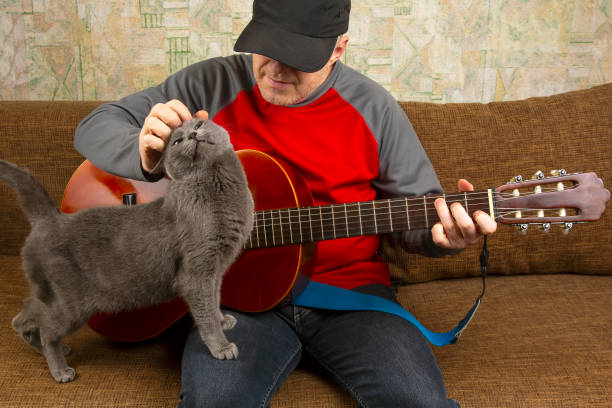
The iconic rock anthem Cat Scratch Fever by Ted Nugent has transcended decades, thrilling fans with its infectious guitar riffs and high-octane energy. Yet in the world of music, classics often find new life in unexpected forms. Enter the realm of Cat scratch fever bluegrass version videos, where talented musicians reinterpret the hard rock hit with the charm, precision, and earthy sound of bluegrass.
These videos are not just covers—they are transformative performances that highlight the versatility of the song and the creativity of modern bluegrass artists. In this article, we explore the evolution of this trend, popular performances, and why these versions are capturing audiences worldwide.
The Origins of Cat Scratch Fever in Rock
Released in 1977, Ted Nugent’s Cat Scratch Fever quickly became a hard rock staple. The song’s catchy riffs, energetic drumming, and playful lyrics made it a fan favorite, solidifying Nugent’s place in rock history. Over the years, the song has been covered by numerous artists, spanning genres from metal to punk.
The bluegrass adaptation is particularly fascinating because it transforms the hard rock essence into something acoustic, organic, and melodic while preserving the driving rhythm that made the song iconic.
Why Bluegrass Works for Cat Scratch Fever
On the surface, hard rock and bluegrass might seem worlds apart. However, the underlying musical structure of Cat Scratch Fever makes it a perfect candidate for a bluegrass reinterpretation:
-
Rhythmic Energy: Bluegrass thrives on quick tempos, intricate string picking, and dynamic rhythms that complement the song’s original drive.
-
Memorable Melody: The riffs and chord progressions translate beautifully to banjo, mandolin, and fiddle, highlighting melodic lines often buried in the electric version.
-
Audience Connection: Bluegrass performances encourage participation, clapping, and foot-stomping, which align with the song’s lively vibe.
This fusion highlights the adaptability of music and shows how timeless compositions can thrive across genres.
Popular Cat Scratch Fever Bluegrass Version Videos
With the growth of online platforms like YouTube and Vimeo, fans can now enjoy high-quality performances of Cat Scratch Fever in a bluegrass style. Some standout videos include:
-
The Earls of Leicester Cover: This Grammy-winning bluegrass band delivers an authentic interpretation, combining technical mastery with a lively, festival-ready performance.
-
Solo Banjo and Fiddle Arrangements: Independent musicians post videos featuring intricate banjo rolls and soaring fiddle lines, creating a mesmerizing acoustic experience.
-
Live Festival Performances: Outdoor bluegrass events often feature spontaneous renditions of the song, complete with audience sing-alongs and improvisation.
These videos not only honor the original rock composition but also showcase the musicians’ virtuosity and the adaptability of bluegrass music.
How to Spot the Best Bluegrass Covers
Not all Cat scratch fever bluegrass version videos are created equal. Here’s what to look for when searching for top-quality covers:
-
Instrumental Clarity: Instruments like banjo, fiddle, mandolin, and upright bass should be distinct and well-mixed.
-
Creative Arrangement: Look for inventive approaches such as tempo changes, instrumental solos, or variations in vocal delivery.
-
Performance Energy: Bluegrass is inherently lively—performers should engage with each other and the audience.
-
Audio and Visual Quality: While polished videos are enjoyable, raw live recordings can also capture the authentic energy of bluegrass music.
Tips for Enjoying Bluegrass Versions of Cat Scratch Fever
Even if you are a die-hard rock fan, these tips will enhance your appreciation of the bluegrass renditions:
-
Focus on Instrumentation: Listen to how each instrument interacts, revealing melodies that might be hidden in the original rock version.
-
Tap Along: Feel the rhythm—bluegrass often incorporates syncopation that is exciting and foot-tapping.
-
Watch Live Videos: Live performances capture spontaneity and energy that studio recordings might not.
-
Share the Experience: Part of the appeal of bluegrass is communal enjoyment, so watch with friends or family for maximum impact.
The Cultural Significance of Cross-Genre Covers
Rock-to-bluegrass covers like Cat Scratch Fever serve more than just entertainment purposes—they bridge musical cultures. These adaptations expose rock fans to bluegrass traditions while introducing bluegrass audiences to classic rock hits. They encourage appreciation for diverse musical styles and highlight the universality of rhythm, melody, and performance.
Moreover, these covers demonstrate that genres are not rigid; they are evolving forms of artistic expression, where creativity can merge traditions to produce something entirely new.
Conclusion
Cat Scratch Fever bluegrass version videos exemplify the magic of musical reinvention. These performances honor Ted Nugent’s rock classic while infusing it with the earthy charm, technical skill, and lively energy of bluegrass. Whether you are a rock enthusiast, bluegrass lover, or simply curious about genre-blending music, these videos offer an engaging and enjoyable experience. Dive into the world of bluegrass covers, and discover how a 1970s rock anthem can thrive in a new acoustic dimension.
FAQs About Cat Scratch Fever Bluegrass Versions
1. Why are bluegrass versions of Cat Scratch Fever popular online?
They offer a fresh take on a classic rock song, blending technical acoustic skill with the high energy of bluegrass.
2. What instruments are used in these bluegrass versions?
Banjo, fiddle, mandolin, acoustic guitar, and upright bass are commonly used.
3. Do these versions maintain the original song’s energy?
Yes. The fast-paced picking and lively rhythms in bluegrass often enhance the song’s energetic feel.
4. Where can I find Cat Scratch Fever bluegrass version videos?
Platforms like YouTube, Vimeo, and live festival recordings frequently feature these performances.
5. How do these covers impact the music community?
They foster cross-genre appreciation, introduce audiences to new styles, and showcase the versatility of both rock and bluegrass music.