

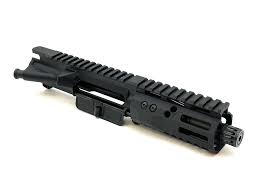
In modern engineering and automotive applications, the Arp upper has emerged as a critical component for enhancing stability, durability, and efficiency. While it might sound technical, understanding its function can significantly improve the performance of your machinery or vehicle. This guide dives into everything you need to know about the Arp upper, including its applications, benefits, installation tips, and maintenance practices.
What Exactly is an Arp Upper?
The Arp upper is a high-strength component designed to provide support and stability in mechanical assemblies. Typically made from premium-grade alloys or steel, it is engineered to withstand high stress and load conditions.
Its primary function is to connect or reinforce critical points in machinery or automotive systems, ensuring that forces are distributed evenly. By doing so, it reduces wear, prevents misalignment, and enhances the overall lifespan of connected components.
Features of a High-Quality Arp Upper
When selecting an , certain features distinguish a high-performance part from standard alternatives:
-
Durable Material: Crafted from alloy steel or high-strength metals that resist bending and fatigue.
-
Precision Engineering: Manufactured to exact specifications, ensuring a perfect fit and optimal performance.
-
Corrosion Resistance: Coatings or treatments protect against rust, moisture, and environmental damage.
-
Wide Compatibility: Can be used in various automotive setups, industrial machinery, and custom-engineered systems.
Applications of the Arp Upper
The versatility of the makes it suitable for multiple industries and applications.
Automotive Applications
In vehicles, the Arp upper is commonly used in:
-
Suspension Systems: Stabilizes critical connections, improving handling and ride quality.
-
Engine Mounts: Reduces stress on engine components and prevents vibration damage.
-
Performance Enhancements: High-performance vehicles often use upgraded to improve precision and durability.
Industrial Machinery
For manufacturing or heavy-duty machinery, the :
-
Provides structural support for moving parts.
-
Distributes loads evenly, reducing wear and maintenance frequency.
-
Improves the lifespan of expensive equipment by preventing component failure.
Custom Engineering Projects
Engineers and hobbyists designing custom builds often rely on the for:
-
High-stress applications requiring precision.
-
Ensuring reliable connections in experimental or prototype machines.
-
Maintaining safety without compromising performance.
Key Benefits of Using an Arp Upper
Choosing a high-quality offers several advantages:
-
Increased Durability: Reduces component failure even under extreme stress.
-
Performance Enhancement: Stabilizes assemblies, leading to smoother operation.
-
Cost Efficiency: Less frequent replacements and maintenance lower long-term costs.
-
Versatility: Can be applied in diverse settings without requiring major adjustments.
How to Install an Arp Upper
Proper installation is crucial for maximizing the benefits of an :
-
Inspect Components: Ensure all parts are clean, free from defects, and compatible.
-
Align Correctly: Misalignment can reduce efficiency and cause premature wear.
-
Use Proper Torque: Follow the manufacturer’s specifications to avoid over-tightening or under-tightening.
-
Check Regularly: Periodic inspections help detect early signs of wear or damage.
Tip: Always follow the manufacturer’s installation guide for your specific model to ensure safety and optimal performance.
Choosing the Right Arp Upper
Selecting the correct depends on your specific needs:
-
Load Capacity: Ensure it can handle the weight or stress of your application.
-
Material: High-strength alloys are preferable for high-performance requirements.
-
Compatibility: Confirm that the dimensions match your assembly requirements.
-
Budget vs Quality: Investing in a premium Arp upper can save costs in the long term through reduced maintenance.
Maintenance Tips for Longevity
To ensure your Arp upper performs optimally for years:
-
Clean regularly to prevent dirt or debris buildup.
-
Inspect periodically for corrosion or cracks.
-
Avoid exceeding load limits.
-
Reapply protective coatings if necessary.
Regular maintenance not only prolongs the life of the Arp upper but also protects other connected components from stress or failure.
Common Mistakes to Avoid
Even the best Arp upper can fail if misused. Avoid these common errors:
-
Incorrect Installation: Misalignment or improper torque can cause severe damage.
-
Neglecting Load Limits: Exceeding the recommended capacity can deform or break the component.
-
Ignoring Maintenance: Corrosion and wear will accelerate without proper care.
Conclusion
The Arp upper is a small but critical component that significantly enhances performance, durability, and reliability in both automotive and industrial applications. From supporting heavy loads to stabilizing high-performance assemblies, it ensures smoother operation and longer component life. Choosing the right Arp upper, installing it correctly, and maintaining it regularly are essential steps to maximize its benefits. Whether you are an engineer, mechanic, or hobbyist, understanding the Arp upper can make a tangible difference in your projects.
FAQs About Arp Upper
1. What is the main function of an Arp upper?
It stabilizes mechanical connections and distributes load evenly to prevent wear and tear.
2. Can the Arp upper be used in any type of vehicle?
Not all models are universal; always check compatibility with your specific system or vehicle.
3. How often should an Arp upper be inspected?
Regular inspections every 6–12 months are recommended, especially under high-stress conditions.
4. What materials are used in Arp upper construction?
High-strength alloys and steel, often with anti-corrosion coatings.
5. Does upgrading to a premium Arp upper improve performance?
Yes, it enhances stability, reduces wear on other components, and can improve overall system performance.