

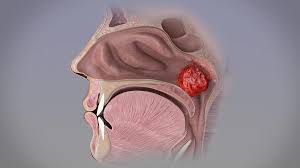
Understanding adenoid anatomy is essential to appreciating how the body defends itself from infections—especially during childhood. Adenoids may be small, but they hold an important position in the upper airway and play a crucial role in immune system development. While most people hear about adenoids only when they cause breathing or ear problems, the truth is that they are far more complex and vital than many realize.
This comprehensive guide explores the location, structure, purpose, and medical significance of the adenoids. We will also discuss why they grow, when they shrink, how they relate to ear and breathing issues, and what treatment looks like when complications appear.
Understanding the Basics of Adenoid Anatomy
What Are Adenoids?
Adenoids—also known as the pharyngeal tonsils—are a cluster of lymphoid tissue located at the upper part of the throat behind the nose. They form part of the immune system and act as the body’s early defense unit against harmful pathogens that enter through the nasal passages.
Adenoids work alongside the tonsils, but unlike tonsils, they are hidden deeper in the nasopharynx. Their placement makes them impossible to see with the naked eye, which is why many people don’t know much about them until problems arise.
Location and Position in Adenoid Anatomy
The positioning of the adenoids is one of the most important aspects of understanding their function.
Where Are the Adenoids Found?
Adenoids sit at the back of the nasal cavity, on the roof of the nasopharynx. This strategic location allows them to act as a biological filter for air entering through the nose.
Anatomical Relationships
-
Above: Nasal passages
-
Below: Soft palate
-
Behind: Upper throat region
-
Beside: Eustachian tube openings
This proximity to the Eustachian tubes—small canals that help equalize ear pressure—explains why adenoid issues often contribute to ear infections and hearing problems in young children.
Structural Details of Adenoid Anatomy
Lymphoid Tissue Composition
Adenoids are made of lymphoid tissue, the same type found in tonsils and other immune structures. This tissue contains several immune cells, including:
-
Lymphocytes
-
Plasma cells
-
Macrophages
-
Dendritic cells
These cells work together to detect and fight incoming bacteria, viruses, and allergens.
Adenoid Surface and Crypts
The adenoid surface is not smooth. It contains small folds and pockets known as crypts. These crypts increase the tissue’s surface area, allowing it to trap more particles and microorganisms.
However, the crypts can also collect bacteria, leading to inflammation or chronic infections when the adenoids become overloaded.
The Mucosal Layer in Adenoid Anatomy
The adenoids are covered entirely by a mucous membrane made up of respiratory epithelium. This tissue is composed of:
-
Goblet cells (mucus producers)
-
Ciliated cells (microscopic hair-like structures)
Functions of the Mucosal Layer
-
Filters inhaled air
-
Moves mucus downward into the throat
-
Traps dust, pollen, and microbes
-
Helps maintain a clean airway environment
The beating action of the cilia is essential for clearing the nasopharynx, and dysfunction in this area can lead to conditions such as chronic congestion or infection.
Immune Function and Role of Adenoids
Part of Waldeyer’s Ring
Adenoids belong to a group of lymphatic tissues located in the throat known as Waldeyer’s ring. This ring serves as a protective barrier for the respiratory and digestive tracts.
Along with the tonsils, adenoids help the body recognize and respond to harmful invaders.
Immune Functions of the Adenoids
-
Produce antibodies
-
Capture airborne viruses and bacteria
-
Initiate early immune responses
-
Support the development of a child’s immunity
Adenoids are especially active between birth and age 10 because this is when the immune system is still learning to defend against various pathogens.
Growth and Development in Adenoid Anatomy
Adenoid Growth During Childhood
Adenoids begin developing shortly after birth and grow rapidly during early childhood. They typically reach their largest size between ages 3 and 7. This is also the period when children are most exposed to infections through school and social environments.
Normal Shrinking Process
After childhood, the adenoids naturally begin to shrink. By adolescence, they often become significantly smaller, and in adulthood, they may completely disappear.
This natural shrinkage explains why adults rarely experience adenoid-related medical problems.
Common Conditions Related to Adenoid Anatomy
Adenoids may be helpful, but they can also cause complications—especially when they become inflamed or enlarged.
Adenoid Hypertrophy (Enlarged Adenoids)
Adenoid hypertrophy is one of the most frequent issues linked to the adenoids. When the tissue becomes enlarged, it can obstruct airflow and affect normal breathing.
Symptoms of Enlarged Adenoids
-
Persistent nasal congestion
-
Mouth breathing
-
Loud snoring
-
Sleep apnea
-
Restless sleep
-
Dry mouth
-
Difficulty swallowing
Children with enlarged adenoids may also develop facial changes due to chronic mouth breathing.
Adenoiditis
Adenoiditis refers to the inflammation or infection of the adenoids. It may be acute or chronic.
Common Signs of Adenoiditis
-
Fever
-
Bad breath
-
Blocked nasal passages
-
Cough
-
Ear pain
-
Nasal-sounding voice
Chronic adenoiditis can significantly impact quality of life and may require surgical treatment if medical therapy fails.
Ear Problems Associated With Adenoid Anatomy
Because the adenoids are located so close to the Eustachian tubes, any swelling or infection can block the tubes and create fluid buildup.
This can lead to:
-
Frequent ear infections
-
Temporary hearing loss
-
Ear pressure
-
Middle ear fluid (otitis media with effusion)
This connection is one of the main reasons ear infections and adenoid problems often occur together.
Breathing and Sleep Issues Linked to Adenoid Anatomy
Nasal Obstruction
Enlarged adenoids can block the airway, forcing children to breathe through their mouths. This may lead to:
-
Daytime fatigue
-
Irritability
-
Difficulty concentrating
-
Decreased airflow and oxygen intake
Sleep Apnea
A major concern with enlarged adenoids is obstructive sleep apnea. This condition causes repeated pauses in breathing during sleep, which can disturb brain development, learning, and behavior.
Children with sleep apnea often exhibit:
-
Snoring
-
Gasping during sleep
-
Morning headaches
-
Hyperactivity or attention issues
Diagnosing Adenoid Problems
Common Diagnostic Methods
Since adenoids cannot be seen during a regular oral exam, healthcare providers use special techniques:
-
Nasal endoscopy
-
Lateral neck X-rays
-
Ear pressure tests
-
Sleep studies for suspected apnea
These tests help determine whether symptoms are indeed caused by adenoid enlargement or another condition.
Treatment Options for Adenoid Conditions
Non-Surgical Treatments
Mild adenoid problems may be managed with:
-
Antibiotics (for infections)
-
Nasal steroid sprays
-
Allergy medications
-
Saline rinses
These treatments often help reduce inflammation and relieve symptoms.
Adenoidectomy (Adenoid Removal Surgery)
When symptoms become severe or persistent, an adenoidectomy may be recommended. This is a simple outpatient surgery that removes the problematic tissue.
Benefits of Adenoidectomy
-
Eliminates chronic infections
-
Improves breathing
-
Reduces snoring
-
Prevents recurrent ear infections
-
Enhances sleep quality
The surgery is extremely safe and commonly performed in children.
Why Understanding Adenoid Anatomy Matters
Adenoids may be small, but their influence on breathing, hearing, and immune function is significant. Knowing how they work helps parents identify unusual symptoms early and seek timely care. Whether preventing infections or addressing chronic issues, an understanding of adenoid anatomy contributes to better long-term health outcomes.
Conclusion
Adenoid anatomy reveals the essential role of these lymphoid structures in childhood immunity, airway protection, and overall respiratory health. While adenoids naturally shrink and become less important in adulthood, they are vital during the early years of life. Recognizing how they function—and what happens when they become problematic—can help families make informed decisions about treatment. With the right knowledge, parents and caregivers can respond effectively to symptoms and ensure a child maintains healthy breathing, sleeping, and hearing patterns.
FAQs About Adenoid Anatomy
1. What is the main function of the adenoids?
Adenoids filter bacteria, viruses, and other particles entering through the nose. They help the immune system recognize and respond to infections, especially during early childhood.
2. Where are the adenoids located?
Adenoids sit at the back of the nasal cavity in the upper throat region, specifically on the roof of the nasopharynx.
3. Why do adenoids enlarge in children?
Adenoids enlarge due to frequent exposure to germs, allergies, or chronic inflammation. Because children’s immune systems are still developing, their adenoids often work overtime.
4. Do adults still have adenoids?
Most adults have significantly smaller adenoids or none at all, as the tissue naturally shrinks during adolescence.
5. When is adenoid removal necessary?
Adenoid removal is recommended when a child experiences chronic breathing issues, persistent infections, sleep apnea, or recurrent ear problems that do not respond to medical treatment.