

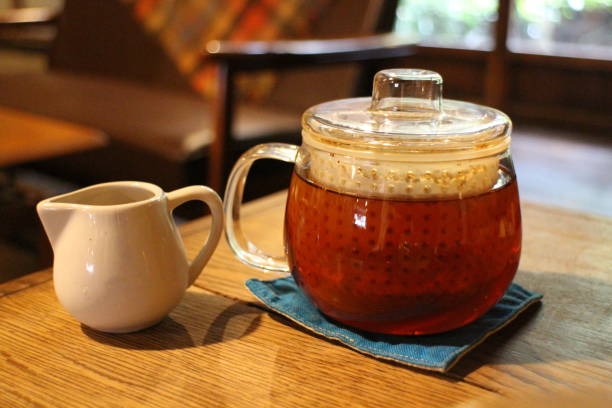
The global beverage landscape is undergoing a radical transformation in 2025, and at the heart of this change is Babeltee. As consumers move away from artificial additives and high-calorie syrups, they are seeking drinks that offer both cultural depth and physical wellness. Babeltee represents more than just a refreshing beverage; it is a sophisticated “Tower of Tea” that integrates diverse brewing traditions from across the globe into a single, harmonious cup. By combining premium loose-leaf bases with fresh botanicals and exotic fruits, this movement has created a niche that appeals to the health-conscious minimalist and the adventurous foodie alike.
Understanding the Origins and Philosophy of Babeltee
The term Babeltee is deeply symbolic, drawing inspiration from the biblical Tower of Babel. In this modern context, however, the “Babel” refers to a beautiful convergence of cultures rather than a confusion of tongues. It signifies the union of Eastern tea-steeping mastery, Middle Eastern spice profiles, and Western herbalism.
Historically, tea has often been divided into strict categories—the British afternoon tea, the Japanese Matcha ceremony, or the Taiwanese boba shop. Babeltee breaks these barriers. It emerged as a response to the “sugar-heavy” reputation of traditional bubble tea, offering a lighter, more aromatic alternative that emphasizes the natural integrity of the tea leaf. In 2025, it has transitioned from a niche hobbyist drink to a mainstream lifestyle choice found in metropolitan “Babel Bars” worldwide.
Babeltee vs. Traditional Boba: A New Standard of Quality
While many people initially mistake Babeltee for a variation of bubble tea, the differences in preparation and ingredients are significant. To understand the shift, one must look at the focus of the drink:
| Feature | Traditional Bubble Tea | Babeltee |
| Base Quality | Often tea dust or concentrates | Single-origin whole-leaf tea |
| Sweetening Agency | Fructose or heavy brown sugar | Agave, raw honey, or fruit sugars |
| Texture Elements | Starchy tapioca pearls | Fresh fruit bits, chia, or herbs |
| Calorie Profile | High (400–600 kcal) | Low to Moderate (40–120 kcal) |
| Flavor Focus | Creaminess and sweetness | Botanical complexity and aroma |
The Babeltee movement prioritizes “clean-label” transparency, ensuring that every ingredient serves a functional health purpose rather than just adding bulk.
The Core Components of an Authentic Babeltee
Creating a perfect Babeltee is an exercise in balance. It requires high-quality components that work together without any single flavor overpowering the others.
1. The Global Tea Base
An authentic Babeltee starts with a robust foundation. Common bases include:
-
High-Mountain Oolong: Chosen for its floral notes and buttery finish.
-
Silver Needle White Tea: The most delicate base, perfect for pairing with rose or lychee.
-
Assam Black Tea: Used when a bold, malty structure is needed to support heavy spices like cardamom.
-
Rooibos and Hibiscus: Excellent caffeine-free options for evening infusions.
2. The Botanical Infusion
This is the “Babel” signature. Fresh herbs such as Thai basil, rosemary, or lemon verbena are often muddled into the drink. These aren’t just garnishes; they provide essential oils that interact with the tea’s tannins to create a multi-dimensional sensory experience.
3. Fresh Fruit and Natural Acids
Instead of synthetic fruit syrups, Babeltee uses “crushed-to-order” fruit. Whether it is the tartness of a pomelo or the subtle sweetness of a white peach, the acidity is used to brighten the tea’s natural flavor profile.
Health Benefits: Why Babeltee is the Wellness Drink of 2025
One cannot discuss Babeltee without highlighting its impressive health profile. In an era where “food as medicine” is a dominant trend, this beverage stands out as a functional tonic.
-
Rich in L-Theanine: Because it uses high-quality tea leaves, Babeltee provides a significant dose of L-theanine, an amino acid that promotes relaxation without drowsiness, countering the “jitters” of caffeine.
-
Metabolic Support: Green and Oolong tea bases are known to boost thermogenesis, aiding in weight management when consumed as part of a balanced diet.
-
Digestive Harmony: Many Babeltee recipes incorporate ginger or mint, which have been used for centuries to soothe the digestive tract and reduce inflammation.
-
Antioxidant Density: The inclusion of fresh berries and high-grade tea provides a double-hit of polyphenols and Vitamin C, which help fight oxidative stress and support skin health.
The Cultural Impact and Social Influence of Babeltee
The rise of Babeltee is also a digital phenomenon. On platforms like TikTok and Instagram, the “Aesthetic Tea” movement has garnered billions of views. The visual appeal of the drink—clear layers of golden tea, vibrant green herbs, and colorful fruit—makes it a favorite for content creators.
However, the social impact goes deeper. Babeltee shops are increasingly designed as “third places”—spaces between home and work where people can gather. Unlike the loud, fast-paced environment of a coffee chain, these tea bars focus on “slow consumption,” encouraging mindfulness and conversation. It is a modern revival of the ancient tea house, updated for a globalized, tech-savvy generation.
How to Master the Babeltee Brew at Home
You don’t need professional training to enjoy Babeltee in your own kitchen. Following a few simple principles will ensure your DIY version tastes as good as a premium shop.
The Cold-Brew Method
For the smoothest flavor, try the cold-brew approach:
-
Place 10g of loose-leaf tea in a 1-liter pitcher of room-temperature water.
-
Add a few slices of citrus and a sprig of fresh mint.
-
Refrigerate for 6–8 hours.
-
Strain and serve over ice, adding a touch of honey if desired.
The “Muddle and Pour” Method
-
In a glass, muddle 3 strawberries and a small slice of ginger.
-
Brew a strong 4oz cup of green tea and let it cool slightly.
-
Pour the tea over the muddled ingredients and fill the glass with ice.
-
Top with sparkling water for a refreshing Babeltee spritz.
The Future: Babeltee and Sustainability
As we look toward the future, the Babeltee movement is leading the charge in eco-friendly beverage consumption. In 2025, sustainability is no longer optional. Most dedicated tea bars have eliminated single-use plastics, opting for compostable straws made from agave fiber or seaweed. Furthermore, the focus on loose-leaf tea reduces the waste associated with individual tea bags and microplastics, making Babeltee the responsible choice for the environmentally conscious drinker.
Conclusion: Embracing the Babeltee Lifestyle
The success of Babeltee lies in its ability to be many things to many people. For some, it is a healthy alternative to soda; for others, it is a creative outlet for flavor experimentation. Ultimately, it is a celebration of our globalized world—a drink that respects the past while fearlessly mixing it with the present. As we navigate the complexities of 2025, taking a moment to enjoy a perfectly balanced Babeltee is a small but powerful way to find harmony in the “Babel” of modern life.
Frequently Asked Questions (FAQs)
1. What makes Babeltee different from regular iced tea?
While regular iced tea is often made from a single type of tea and sugar, Babeltee is a “fusion” drink. It incorporates complex botanical elements (like rosemary or basil), fresh muddled fruits, and often blends different tea varieties (like mixing Green and White tea) to create a specific flavor profile.
2. Is Babeltee safe for people with gluten or dairy allergies?
Yes! Naturally, Babeltee is both gluten-free and dairy-free. Unlike some milk teas that use powdered creamers containing hidden gluten or casein, this drink relies on water, tea, and fresh plant-based ingredients.
3. Can I make Babeltee with tea bags?
While loose-leaf tea is preferred for the highest quality and flavor, you can certainly use high-quality tea bags. Just ensure the tea is fresh and not “tea dust,” which can make the drink taste bitter or astringent.
4. How much caffeine is in a typical serving?
This depends on the base. A Babeltee made with Black tea may have 40–70mg of caffeine, while a Green tea base has about 25–45mg. For a zero-caffeine version, simply use a herbal tisane like Rooibos or Chamomile.
5. Why is it called “Babeltee”?
The name is a play on the “Tower of Babel,” representing the mixture of many different cultural tea traditions and ingredients from around the world into one “universal” beverage.