

In 2025, the word Tsunaihaiya has become more than a mere term — it’s a cultural and symbolic expression embraced across fashion, digital communities, artistic identity, and emotional language. Although not part of any traditional dictionary, Tsunaihaiya carries layers of meaning tied to creativity, spiritual symbolism, cultural fusion, and personal interpretation. Today, Tsunaihaiya continues to grow in relevance as people across the globe use it in art, music, storytelling, and even meditation to express concepts that conventional language often cannot capture.
Understanding Tsunaihaiya: Origins and Core Interpretations
The Unique Origins of Tsunaihaiya
The origins of are multifaceted and intriguing. While it doesn’t originate from a single historical text or ancient language, appears in multiple cultural and creative contexts that give it contemporary significance.
1. Cultural Echoes and Artistic Roots
Some sources suggest that reflects aspects of ceremonial chants or symbolic language associated with unity and community in Pacific regions. While precise translations are rare, its cadence evokes a sense of harmony or collective intention — much like traditional chants in ceremonies or communal gatherings.
2. A Brand with Cultural Fusion
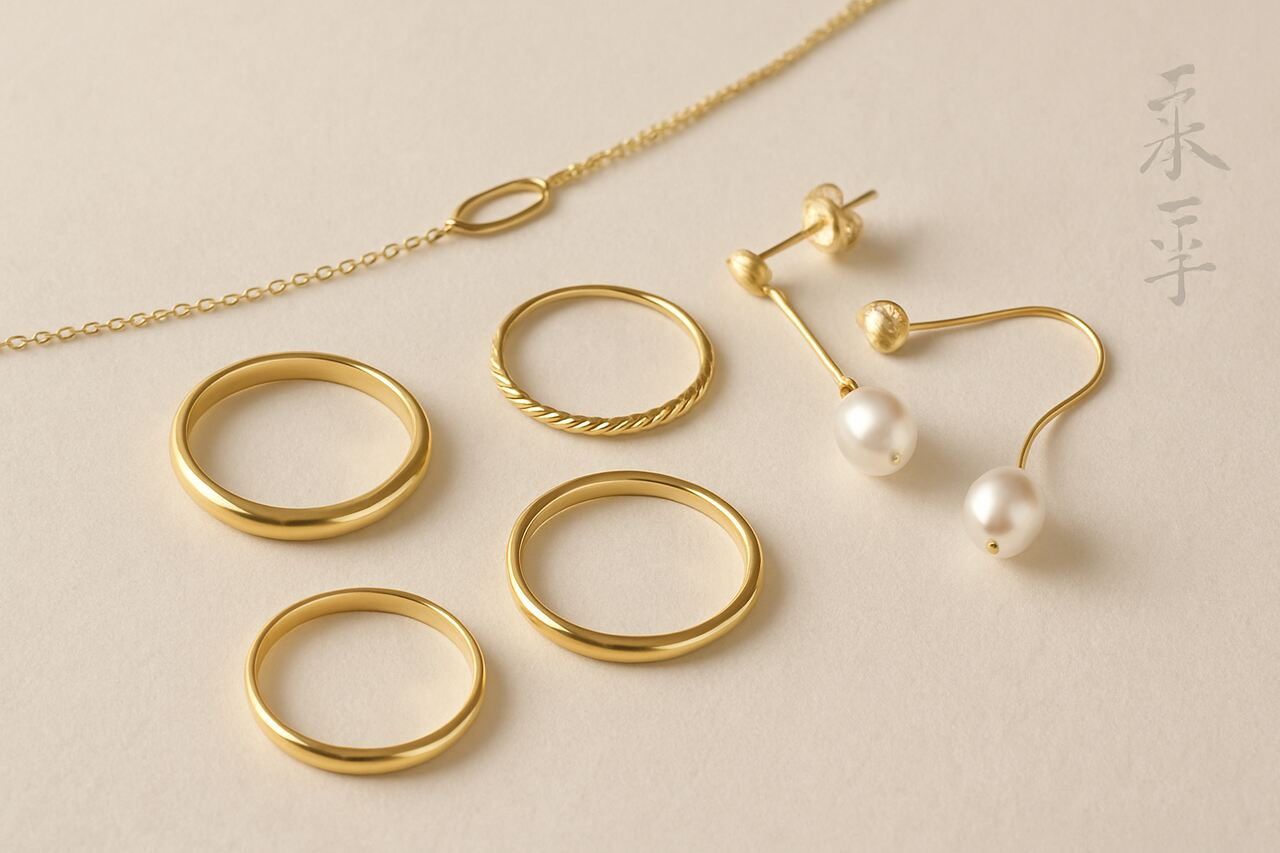
The term Tsunaihaiya is also known as a name for a jewelry brand blending Native American craftsmanship with Japanese metalwork and design principles. This modern interpretation honors heritage, cross‑cultural respect, and the beauty of merging traditions in handcrafted art.
3. Digital Culture and Linguistic Innovation
In digital communities — particularly on platforms like Discord, TikTok, Reddit, and Instagram — has evolved into an expressive word used to capture moods, identity, emotion, and even belonging. Because it lacks a fixed meaning, it functions as a flexible concept that adapts to the context in which it’s used.
What Tsunaihaiya Means in 2025: Emotional and Symbolic Significance
Tsunaihaiya as Emotional Expression
One of the most popular ways Tsunaihaiya is used today is as a symbolic emotional marker. Rather than having a definitive translation, it represents emotional states that are nuanced, layered, and resistant to traditional language. Some people describe it as reflecting feelings between joy and melancholy, inner harmony, or emotional ambiguity — serving as a bridge when words fail.
Tsunaihaiya and Digital Aesthetics
In online art, Tsunaihaiya appears in:
-
abstract music and ambient soundscapes
-
creative captions for digital visuals
-
usernames and hashtags in niche communities
-
generative artwork titles
This usage makes it a part of digital cultural expression in 2025, capturing moods and artistic identity in ways that transcend conventional semantics.
Tsunaihaiya and Creative Identity
Because Tsunaihaiya lacks a rigid definition, it also becomes a vehicle for personal and collective identity. Digital creators sometimes use the word to convey:
-
emotional depth
-
interconnected feelings
-
creative freedom
-
identity that resists traditional labels
In this sense, Tsunaihaiya becomes more than a word — it becomes a symbolic space where identity and feeling coexist fluidly.
Tsunaihaiya in Art, Fashion, and Storytelling
Artistic Interpretations of Tsunaihaiya
Across artistic media, Tsunaihaiya resonates as a concept representing emotional nuance and creative depth. In visual arts, it’s sometimes used to title pieces that explore themes like memory, transformation, or identity. In music, it can be an ambient or rhythmic motif. These artistic usages highlight how Tsunaihaiya has grown beyond textual meaning into sensory expression.
Fashion and Craftsmanship
One of the more tangible applications of Tsunaihaiya appears in handcrafted jewelry and cultural fashion. Jewelry collections using the name often emphasize connection, heritage, and the blending of artistic traditions — becoming wearable symbols of meaning rather than just fashion accessories.
Storytelling and Narrative Worlds
Writers, especially in speculative fiction and digital storytelling, sometimes use Tsunaihaiya as:
-
the name of mythical places
-
a mystical chant or mantra
-
a spiritual phrase tied to identity or tradition
This underscores its adaptability as a concept that inspires narrative meaning rather than fixed definitions.
Why Tsunaihaiya Matters Today: Cultural and Social Relevance
1. Redefining Language in the Digital Age
In a globalized world where cultural exchange and online communication shape language evolution, Tsunaihaiya exemplifies how new terms are created and adopted. It represents linguistic fluidity and the human need for expressive concepts that traditional vocabulary cannot always provide.
2. Emotional Connectivity and Identity Formation
Tsunaihaiya matters because it offers a way to talk about depth, identity, and feeling that conventional terms often fail to capture. Its openness allows individuals to share personal meaning while connecting with others who interpret it uniquely.
3. Cultural Fusion and Creative Expression
Whether in handcrafted design or digital media, Tsunaihaiya carries the idea of blending — whether that’s heritage with modernity, emotion with identity, or tradition with creativity. This makes it uniquely relevant in 2025 as a symbol of cultural dialogue and creative expression.
Challenges and Misconceptions About Tsunaihaiya
Unclear Definitions
Because Tsunaihaiya has no standardized definition, it can be confusing or misunderstood. Some may assume it has a specific linguistic root, but it is, in fact, a flexible and context‑dependent concept
Blended Meanings
The fact that Tsunaihaiya appears in so many contexts — from fashion to digital culture — can make it seem inconsistent. However, this multiplicity is exactly what gives it its strength as a cultural symbol: it allows people to project meaning into it.
Conclusion: Why Tsunaihaiya Is a Symbol of Modern Expression
In 2025, Tsunaihaiya stands as an evolving concept that bridges emotion, identity, culture, and creativity. Its lack of fixed definition is not a weakness — it’s a strength that allows it to adapt, resonate, and inspire across different mediums and communities. Whether used in artistic expression, fashion design, cultural storytelling, or as a digital identity marker, Tsunaihaiya reflects the modern human condition: complex, interconnected, and constantly evolving.
As we continue creating, sharing, and communicating in increasingly diverse ways, Tsunaihaiya reminds us that sometimes meaning is not found in clarity, but in connection, emotion, and shared imagination.Frequently Asked Questions (FAQs)
1. What does Tsunaihaiya mean?
Tsunaihaiya does not have a fixed dictionary definition. It’s a coined term used to express emotional nuance, cultural fusion, and creative identity across various contexts.
2. Where did Tsunaihaiya originate?
Tsunaihaiya appears in multiple contexts: as a symbolic cultural expression, the name of a jewelry brand, and as a flexible digital‑age aesthetic concept. Its origin is therefore layered and not tied to one language or culture.
3. How is Tsunaihaiya used online?
People use Tsunaihaiya in creative pieces, music, digital art captions, hashtags, and online communities where emotion and identity expression matter.
4. Is Tsunaihaiya a cultural tradition?
Not in the traditional sense. It may draw inspiration from cultural symbolism, but as a term, it is contemporary and shaped by users’ interpretations rather than historical canon.
5. Why is Tsunaihaiya becoming popular?
Its adaptability and emotional depth make it appealing to artists, creators, and individuals seeking expressive language that reflects identity, mood, and creative meaning.