

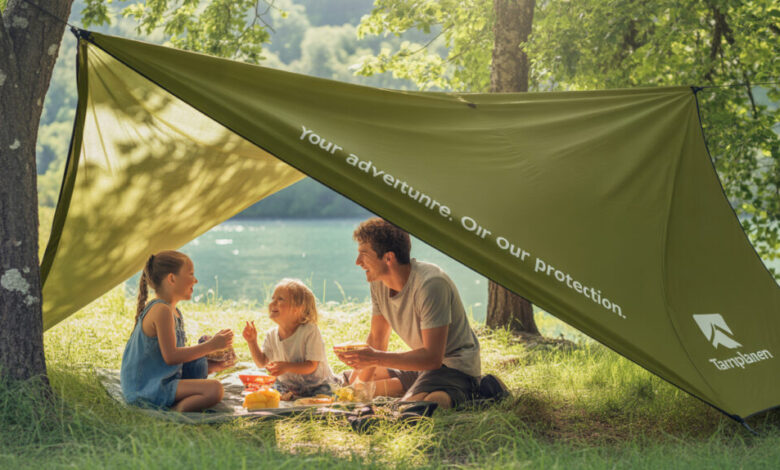
Outdoor protection has evolved over the years, and one of the most dependable tools used today is the Tarnplane. Whether you’re camping, storing equipment, preparing for harsh weather, or simply looking for a sturdy covering that blends into nature, Tarnplanen offer an excellent balance of concealment, durability, and weather resistance. These specialized camouflage tarps have become essential for many outdoor activities due to their versatility and rugged construction.
In this in-depth guide, you’ll learn everything you need to know about Tarnplanen—how they work, their benefits, the different types available, and how to choose the right one for your needs.
What Exactly Are Tarnplanen?
Tarnplanen, often referred to as camouflage tarpaulins, are durable and patterned coverings used to protect objects or create shelters while blending into natural surroundings. Their name originates from German, where “Tarn” means camouflage and “Plane” means tarp. Today, they are widely used across Europe and globally due to their efficiency and adaptability.
These tarps typically feature patterns such as woodland, desert, snow, urban, or digital camouflage. The purpose is not only protection but also concealment, making Tarnplanen particularly valuable for hunting, tactical situations, nature photography, and military applications.
Why Tarnplanen Are Becoming Increasingly Popular
The rising use of Tarnplanen is the result of modern outdoor trends, survival interest, and increased awareness of how essential weather protection truly is. Here are the key reasons why they are used more than ever:
1. High-Level Weather Resistance
A quality Tarnplane shields its user or equipment from rain, dew, snow, wind, and heat. Their waterproof coatings and tightly woven construction prevent moisture penetration, making them ideal for year-round use.
2. Natural Concealment
Unlike brightly colored generic tarps, Tarnplanen blend into the environment. This is especially useful for hunters, wildlife observers, military personnel, bushcraft practitioners, and even private property owners who prefer a discreet appearance.
3. Long-Lasting Materials
Modern Tarnplanen are engineered with improved durability, using polyethylene, PVC, or canvas. These materials withstand abrasive surfaces, UV rays, heavy rainfall, and cold temperatures without easily tearing or fading.
4. Convenience and Portability
Despite their strength, most Tarnplanen remain lightweight. They can be folded compactly, making them easy to store in backpacks, vehicles, or survival kits.
5. Multi-Purpose Functionality
Users appreciate Tarnplanen for their broad range of applications, from camping shelters to car covers. They are highly adaptable, making them an essential tool for outdoor enthusiasts.
Common Uses of Tarnplanen
Because they combine protection with concealment, Tarnplanen are used across a wide range of outdoor scenarios. The following uses are the most popular:
1. Camping and Trekking
Campers use Tarnplanen for:
-
Rain covers
-
Ground sheets
-
Tent extensions
-
Emergency shelters
-
Wind barriers
Their camouflage patterns keep camp setups less noticeable, blending easily into forests and mountains.
2. Hunting and Fishing
Hunters rely on Tarnplanen to construct blind shelters, hide their gear, or cover boats. The natural patterns prevent spooking wildlife.
3. Survival and Bushcraft
In bushcraft activities, Tarnplanen are used to build lean-tos, protect firewood, create work areas, and shield equipment from moisture. Their durability makes them trustworthy in remote locations.
4. Military and Tactical Training
Military units use Tarnplanen for:
-
Concealing vehicles and equipment
-
Setting up temporary observation posts
-
Protecting supplies
-
Creating field shelters
Their camouflage is specifically designed to blend with targeted terrains.
5. Home and Garden Protection
Homeowners also use Tarnplanen for everyday purposes such as:
-
Covering outdoor furniture
-
Protecting wood piles
-
Securing tools
-
Temporary roofing
-
Construction site protection
Their tough build makes them suitable for long-term outdoor use.
Types of Tarnplanen and Their Features
Not all Tarnplanen are built the same. To make the best purchase, it’s important to understand the different types available.
1. Polyethylene (PE) Tarnplanen
PE Tarnplanen are the most commonly purchased option and suit most general-purpose tasks.
Key Features
-
Lightweight
-
Waterproof
-
Budget-friendly
-
Ideal for camping and household protection
PE tarps are easy to handle and versatile, making them perfect for casual or seasonal use.
2. PVC Tarnplanen
PVC Tarnplanen are heavy-duty and designed for demanding conditions.
Key Features
-
Extremely durable
-
UV-resistant
-
Tear-resistant
-
Suitable for long-term outdoor exposure
These tarps are widely used in industrial settings, permanent shelters, and tactical environments.
3. Canvas Tarnplanen
Canvas Tarnplanen have a classic rugged feel and offer natural breathability.
Key Features
-
Strong and environmentally friendly
-
Breathable material reduces condensation
-
Perfect for survivalists and military-style setups
They are slightly heavier but provide unmatched authenticity and reliability.
4. Heat-Resistant or Fire-Retardant Tarnplanen
These specialized Tarnplanen are engineered for safer use around heat sources.
Ideal For
-
Campsites with cooking areas
-
Outdoor events
-
Construction sites
-
Tactical operations
How to Choose the Best Tarnplane for Your Needs
With so many options available, selecting the right Tarnplane requires considering several key factors:
1. Determine the Intended Use
The purpose of the Tarnplane affects the ideal size, thickness, and material. For example:
-
Camping: Lightweight PE
-
Hunting: Advanced camouflage patterns
-
Long-term storage: PVC
-
Bushcraft: Canvas or reinforced materials
2. Check the GSM Rating
GSM (grams per square meter) indicates the tarp’s thickness and strength.
-
80–120 GSM: Light use
-
120–200 GSM: Medium outdoor protection
-
200–350+ GSM: Heavy-duty and long-term use
3. Look for Reinforced Edges and Eyelets
A Tarnplane with metal eyelets, strong hems, and double-stitched edges will last much longer.
4. Choose the Right Camouflage Pattern
Select a pattern based on your environment:
-
Woodland
-
Snow
-
Desert
-
Urban
-
Digital pattern
Each pattern blends differently with specific terrains.
5. Ensure Weather & UV Protection
UV-resistant coatings significantly extend the lifespan of the Tarnplane.
Maintenance Tips for Tarnplanen
Proper care ensures that your Tarnplanen last for many years. Here are essential maintenance practices:
1. Clean After Use
Wipe dirt, stains, and debris with mild soap and water. Avoid harsh chemicals.
2. Dry Thoroughly
Never store a tarnplane while wet. This can lead to mold and unpleasant odors.
3. Store in a Cool, Shaded Place
Avoid storing Tarnplanen under direct sunlight or in extreme temperatures.
4. Inspect for Tears
Small punctures can be repaired with tarp tape or patch kits.
5. Avoid Contact with Sharp Objects
Careless handling can reduce lifespan significantly.
Environmental Impact of Tarnplanen
Although many Tarnplanen are made from synthetic materials, manufacturers are increasingly offering eco-conscious alternatives. These include:
-
Recycled polyethylene tarps
-
Organic or treated canvas tarps
-
Biodegradable coatings
Choosing a durable Tarnplane also reduces waste, as long-lasting tarps require fewer replacements over time.
Conclusion
Tarnplanen have proven themselves to be some of the most practical and reliable tools for outdoor protection. Whether you need to shield your equipment from rain, hide your campsite, transport sensitive materials, or create a quick shelter, Tarnplanen offer unmatched versatility. Their combination of concealment, strength, and weather resistance makes them ideal for campers, hunters, survivalists, homeowners, and professionals alike.
With the right Tarnplane—chosen based on material, thickness, pattern, and purpose—you’re equipped for virtually any outdoor challenge. A well-maintained Tarnplane can last for years and become an essential part of your outdoor gear.
Frequently Asked Questions (FAQs)
1. Are Tarnplanen completely waterproof?
Most Tarnplanen are designed to be fully waterproof, especially those made from polyethylene or PVC. Always check the product details for specific waterproof ratings.
2. What size Tarnplane should I buy?
The ideal size depends on your use. For camping, medium-sized tarps are best, while covering vehicles or equipment may require larger dimensions.
3. Can Tarnplanen withstand strong winds?
Yes, if properly secured using reinforced eyelets and ropes. Heavy-duty models are especially reliable in windy conditions.
4. Are canvas Tarnplanen better than synthetic ones?
Canvas Tarnplanen offer breathability and natural strength, while synthetic options are lighter and more waterproof. The best choice depends on your needs.
5. How long do Tarnplanen typically last?
With proper care, high-quality Tarnplanen can last anywhere from several years to over a decade, depending on material and usage conditions.